
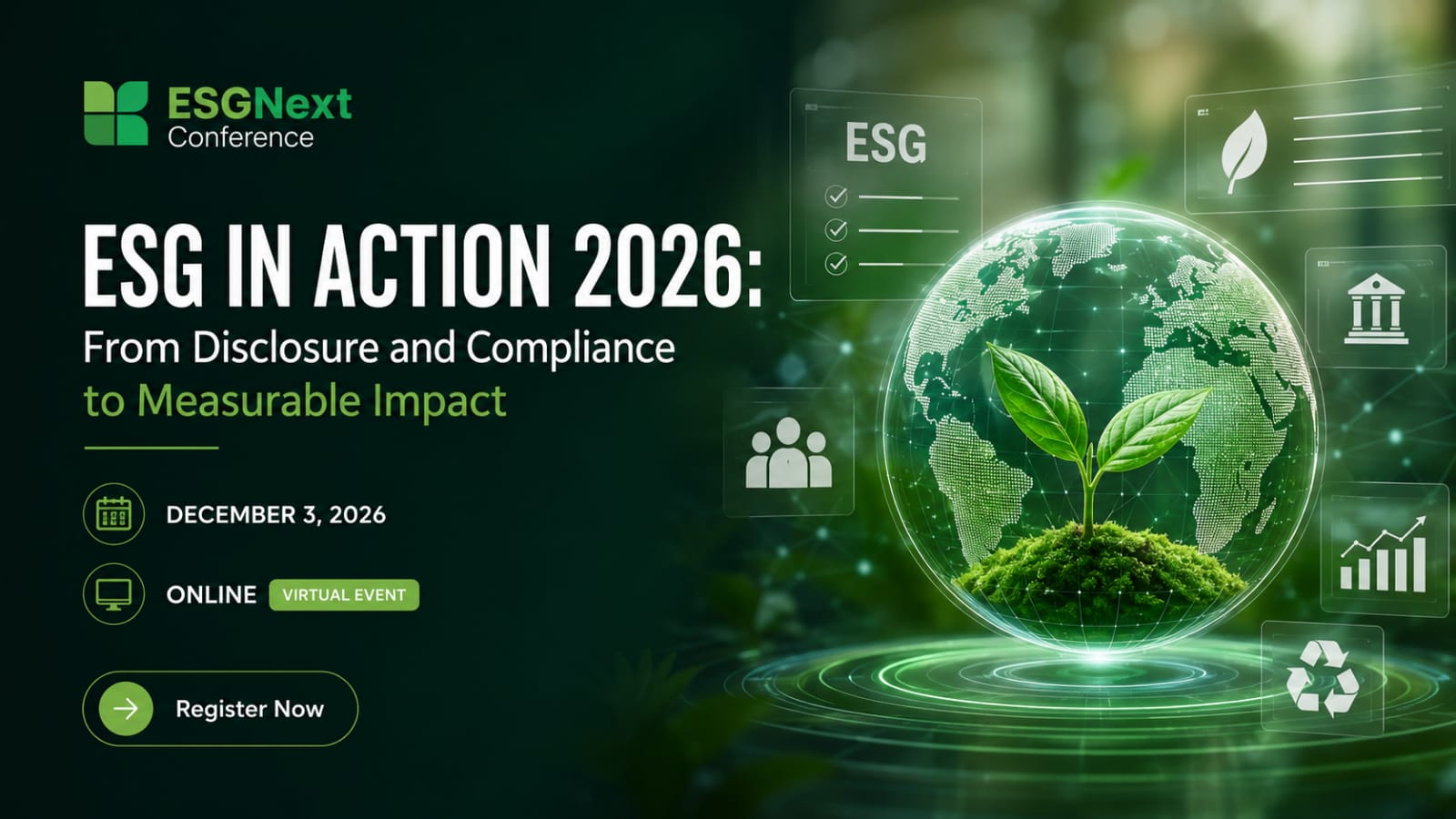
Environmental, social and governance (ESG) is entering a more demanding phase. Voluntary sustainability pledges are no longer enough. Regulators, investors and customers expect reliable disclosure, stronger data, and clear evidence that corporate commitments produce measurable outcomes.
The new global baseline
The International Sustainability Standards Board (ISSB) has established IFRS S1 and IFRS S2 to create a consistent foundation for sustainability- and climate-related financial disclosures. These standards shift sustainability reporting from a voluntary communications exercise toward information that must be decision‑useful for investors and auditable by assurance providers.
ESG as core business strategy
Reporting is no longer siloed in corporate responsibility teams. Sustainability information increasingly informs capital allocation, risk management and operational decisions. Businesses must identify which environmental and social issues affect revenues, costs, assets and supply chains so ESG data becomes relevant to finance and risk teams as well as sustainability practitioners.
Building audit-ready ESG data
As reporting becomes standardized, data quality matters. Companies frequently gather ESG inputs from disparate business units, suppliers and systems. Without common definitions, clear ownership, and documented controls, disclosure can be hard to compare or verify. An ESG data infrastructure needs:
•governance and documented methodologies;
•traceability and internal controls;
•clear responsibilities across functions and the supply chain.
These elements are vital because IFRS S1 and S2 aim to support decision-useful sustainability-related financial information that can be independently assured.
AI’s Role — Power and Pitfalls
Artificial intelligence offers powerful tools for ESG teams, from automating data processing and identifying anomalies to improving supply-chain visibility and speeding up reporting workflows. But AI is not a shortcut to credibility. Poor-quality input data can produce unreliable outputs, while opaque models can weaken accountability. The best use of AI combines automation with human oversight, explainability and strong data provenance.
From targets to transition plans
Headline climate targets are widespread. The harder part is proving how those targets will be met. Credible transition plans connect ambitions to concrete actions, including funded investments, technology deployment, operational changes, renewable energy procurement and supplier engagement. Investors and regulators increasingly focus on the actions behind climate commitments, including what is funded, implemented and delivering results.
Nature joins the agenda
Climate is no longer the only environmental focus. Nature, biodiversity, water and land‑use dependencies are rising on the disclosure agenda. The ISSB has moved forward with nature-related guidance, signaling that companies will need to assess ecosystem risks alongside climate impacts. Managing these interconnected risks requires broader environmental data and cross-functional approaches.
Ending greenwash with transparency
As scrutiny grows, so does the risk of accusations of greenwashing. Companies must clearly state the boundaries, assumptions and methodologies behind claims such as net-zero or carbon neutral, and provide evidence to back performance. Transparency and independent verification are becoming central to credible ESG communications.
Measuring what matters
The ultimate test of ESG strategy is measurable impact. Organizations should link initiatives to indicators such as emissions reductions, energy efficiency gains, resource and waste reductions, supply‑chain resilience, workforce outcomes and financial risk mitigation. The most effective ESG approaches combine credible disclosure, disciplined implementation, and verifiable outcomes.
ESG in Action 2026 — practical guidance
For businesses ready to move from commitments to measurable action, the priorities are clear:
•Invest in ESG data governance and controls so disclosures are auditable.
•Build transition plans that tie targets to funded actions and measurable milestones.
•Use AI to scale analytics while enforcing data quality, explainability and oversight.
•Integrate nature and ecosystem dependencies into risk and disclosure frameworks.
•Prioritize transparency and third‑party assurance to reduce greenwash risk.
Join the conversation
ESG Next Awards and Conference 2026 brings together sustainability leaders, investors and practitioners to explore practical ESG challenges — from stronger reporting and AI-enabled ESG management to transition planning and nature-related risks.
If your organization is moving from reporting sustainability to managing it as a core part of business performance, ESG Next 2026 offers a timely platform for actionable insights and practical strategies.
Register and learn more: https://esgnextconference.com/