
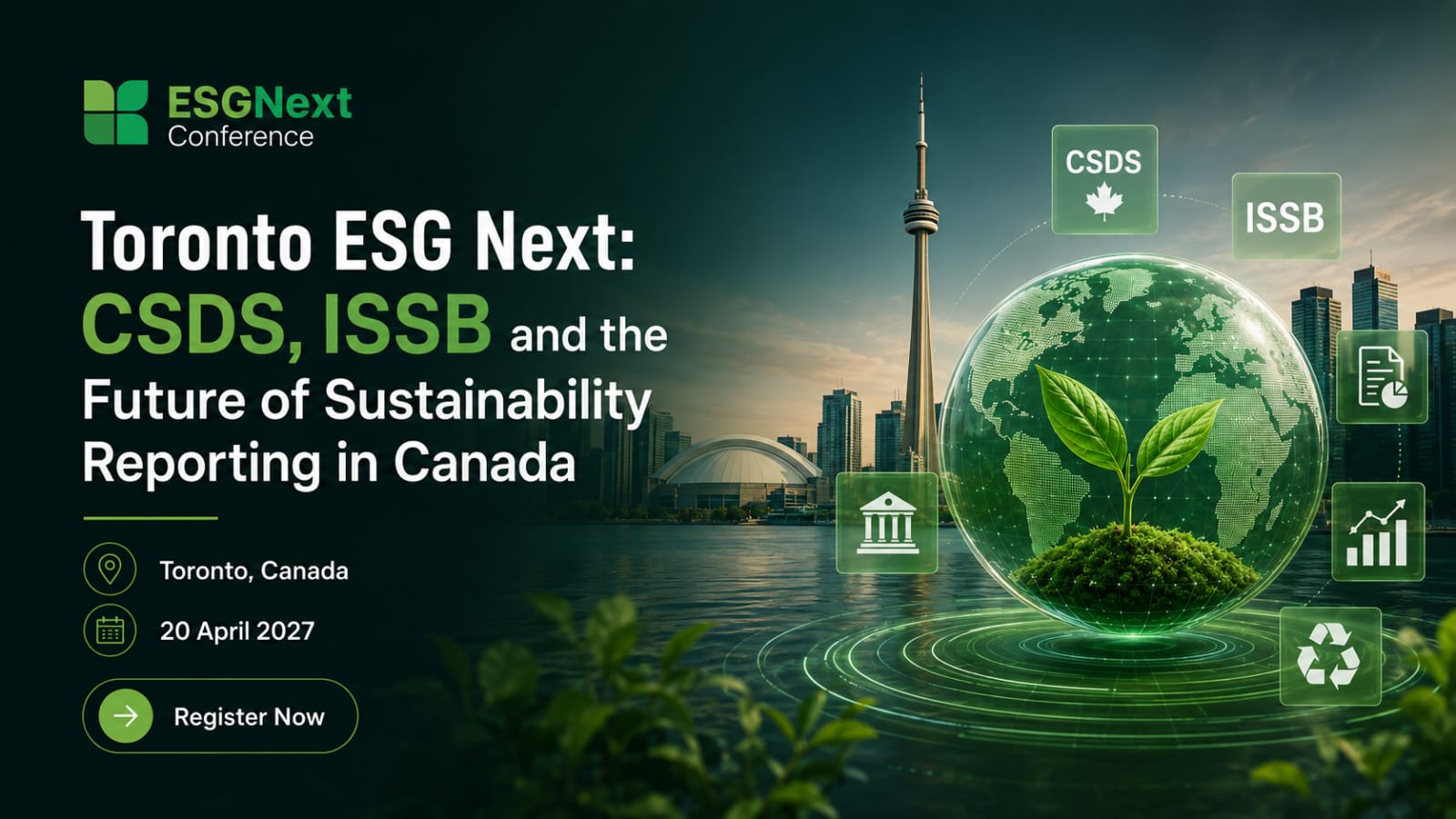
Canada’s sustainability reporting landscape is entering a more structured and accountable phase. In December 2024, the Canadian Sustainability Standards Board issued CSDS 1 and CSDS 2, aligning Canadian sustainability disclosure expectations closely with the ISSB’s IFRS S1 and IFRS S2 while still reflecting Canadian-specific considerations. This marks an important step toward greater consistency, comparability, and credibility in sustainability reporting across the country.
Although CSDS 1 and CSDS 2 are currently voluntary in Canada, the broader regulatory direction is clear. OSFI has already integrated sustainability-related disclosure expectations into its climate-risk framework, and Canadian regulators continue to evaluate how sustainability disclosure requirements should evolve in the years ahead. For businesses, this means ESG reporting is no longer simply a matter of messaging or reputation. It increasingly requires reliable data, stronger internal controls, clear governance, and processes that connect sustainability risks to financial planning and long-term strategy.
The growing importance of assurance is another sign of this shift. In March 2026, Canada adopted CSSA 5000, the Canadian Standard on Sustainability Assurance, with the standard set to take effect for relevant sustainability assurance engagements from December 15, 2027. This development signals a higher level of scrutiny around the quality, accuracy, and credibility of sustainability information. Companies will need to prepare not only for disclosure, but also for verification and assurance expectations that support trust with investors, regulators, and other stakeholders.
The IFRS Foundation opened the ISSB’s permanent Montréal office in May 2024, strengthening ties between global sustainability standard-setting and Canada’s finance, accounting, regulatory, academic, and sustainability communities. The office continues to play an important role. In June 2026, IFRS Foundation Trustees met in Montréal, where they engaged with Canadian stakeholders and welcomed renewed financial support for the ISSB from the Government of Canada.
The next phase of ESG in Canada will therefore be about more than compliance. It will be about using sustainability information to improve risk management, strengthen decision-making, and support resilient business strategy. Companies that treat ESG as a strategic capability rather than a standalone disclosure exercise will be better positioned for long-term success.
Discover the latest developments shaping ESG, sustainability reporting, and responsible business at ESG Next Toronto. The event brings together industry leaders, sustainability professionals, investors, and policymakers to explore practical strategies for navigating the evolving ESG landscape.
ESG Next Toronto
Toronto, Canada
20 April 2027
Explore the future of ESG, strengthen sustainability strategies and connect with professionals shaping the next phase of responsible business.
Register and learn more: https://esgnextconference.com/