
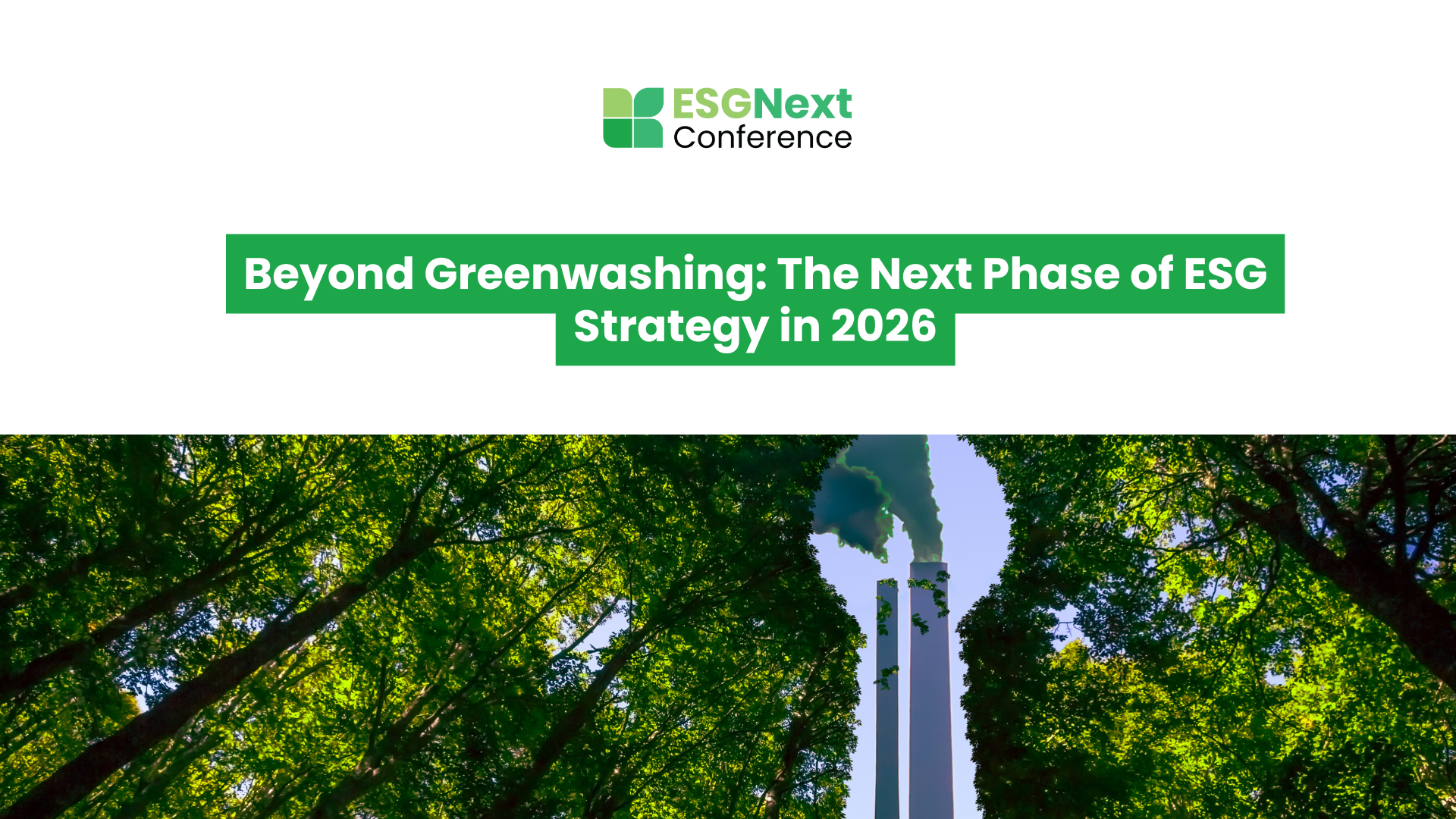
For much of the past decade, Environmental, Social, and Governance (ESG) has been driven by disclosure, ratings, and reputation. While this helped raise awareness, it also led to a wave of greenwashing — sustainability claims that looked good on paper but delivered little real-world impact.
By 2026, ESG is entering a new phase. The focus is shifting from what companies say to what they actually do, measured through data, accountability, and long-term value creation.
This is not the end of ESG — it is its transformation.
1. From Reporting to Performance
Earlier ESG strategies focused heavily on reports, frameworks, and voluntary commitments. In 2026, this is changing.
Regulators, investors, and customers now expect:
Measurable environmental outcomes (not just targets)
Social impact integrated into business operations
Governance linked to risk, ethics, and resilience
ESG is no longer a side report — it is becoming a core performance system, just like finance or operations.
2. Technology as the Backbone of Credible ESG
Technology is playing a critical role in making ESG transparent and verifiable.
Key tools shaping ESG in 2026 include:
AI and data analytics for tracking emissions, water use, and supply-chain risks in real time
Blockchain and digital ledgers for traceability of raw materials and ethical sourcing
IoT sensors for monitoring energy, waste, and environmental conditions
This shift reduces reliance on self-reported data and replaces it with continuous, auditable insight.
3. Integration Across the Value Chain
Real ESG impact does not stop at a company’s boundaries.
Leading organizations now extend ESG into:
Supplier contracts and procurement standards
Product design and lifecycle assessment
Logistics, packaging, and distribution
Employee well-being and community engagement
This value-chain approach ensures that ESG becomes systemic rather than symbolic.
4. ESG as a Business Advantage
In 2026, ESG is no longer just about risk management — it is about competitiveness.
Companies with strong ESG integration are seeing:
Lower operational risks and regulatory exposure
Better access to capital and insurance
Higher customer trust and brand loyalty
Stronger employee attraction and retention
Sustainability is becoming a source of resilience and differentiation, not a cost center.
5. What Leaders Must Do Now
To move beyond greenwashing, organizations should:
Link ESG goals to financial and operational KPIs
Invest in data systems for real-time ESG tracking
Tie executive incentives to sustainability performance
Engage suppliers and partners in shared ESG standards
Communicate progress honestly — including challenges
Authenticity, transparency, and consistency are now more valuable than perfect narratives.
ESGNext Conference 2026: Real-World Insights
Join us in Dubai on November 4–5 for ESGNext 2026 ,where global leaders move beyond buzzwords to discuss how ESG is being applied in the real world.
Explore how AI tools, evolving regulations, and practical solutions are reshaping ESG across pharma, energy, and agriculture. Learn what’s working, what’s changing, and what actions actually drive impact.
Connect with decision-makers, innovators, and sustainability leaders — and leave with insights you can apply immediately.
Real ESG is here.Act now for a stronger business — and a more sustainable world.
Conclusion
The next phase of ESG is not about louder promises — it is about deeper integration.
By 2026, successful ESG leaders will be those who embed sustainability into decision-making, operations, and culture. Greenwashing fades when impact becomes visible, measurable, and unavoidable.
The future of ESG belongs to organizations that move from storytelling to system-building — and from intention to impact.
References
London Business School-Beyond greenwashing: how ESG became a corporate battleground
Tandfonline-Addressing Greenwashing–The Role of Strategic Communication in ESG Reporting